Devon Bennett · 1 September 2026
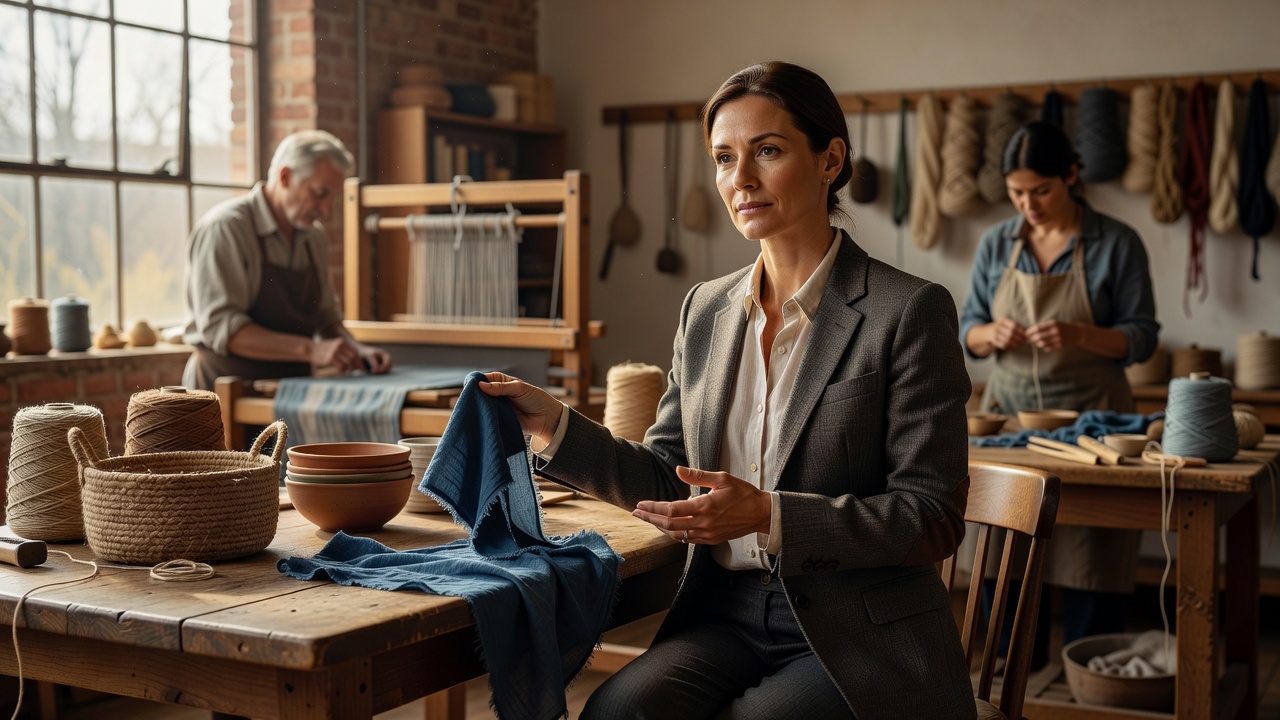
Zelora founder Elena Voss recently outlined the brand's strategic pivot toward deeper partnerships with independent artisans across Italy and beyond. Speaking from the company's Milan headquarters, Voss described how Zelora is moving away from large-scale manufacturing in favor of smaller, craft-focused collaborations that emphasize cultural preservation and material quality.
Roots of the Strategic Transition
Voss explained that the decision stems from consumer demand for authenticity and traceability. Over the past eighteen months, Zelora has signed agreements with twelve artisan workshops specializing in ceramics, leatherwork, and natural textiles. These partnerships allow the brand to incorporate hand-finished details into its lifestyle collections while supporting traditional techniques that risk disappearing. Voss noted that each collaboration begins with a six-month residency program in which artisans work alongside Zelora designers to adapt heritage methods to contemporary products. Early results include a limited-edition tableware line produced with a family-run studio in Umbria and a capsule collection of vegetable-tanned bags made in Tuscany. Sales data from the first two releases show a 47 percent increase in repeat purchases compared with previous mass-produced items.
The founder stressed that the shift is not merely aesthetic. Zelora has revised its supply-chain contracts to guarantee minimum order volumes and profit-sharing terms that exceed standard industry rates. Voss cited internal audits showing that artisan partners now receive 35 percent of retail revenue from co-branded goods, a figure she hopes to raise to 45 percent within three years. She also highlighted environmental metrics: the new collections use 60 percent less water and 40 percent less energy than equivalent items made in conventional factories.
Broader Cultural and Economic Impact
Beyond product development, Voss framed the initiative as a cultural investment. By documenting each artisan's process through short films and printed catalogs, Zelora aims to raise public awareness of regional crafts. The brand has committed to funding two annual scholarships for apprentices in partner workshops and is exploring a residency exchange with design schools in Florence and Venice. Voss acknowledged challenges, including higher production costs and longer lead times, but argued these are offset by stronger brand loyalty and premium pricing power. She added that Zelora plans to open a permanent exhibition space in Rome next year to showcase the artisans' work alongside finished products. Industry observers note that similar moves by other European lifestyle labels have helped sustain rural economies while differentiating brands in a crowded market. Voss concluded that the transition reflects Zelora's core mission of connecting modern consumers with Italy's living cultural heritage rather than treating craftsmanship as a marketing device.